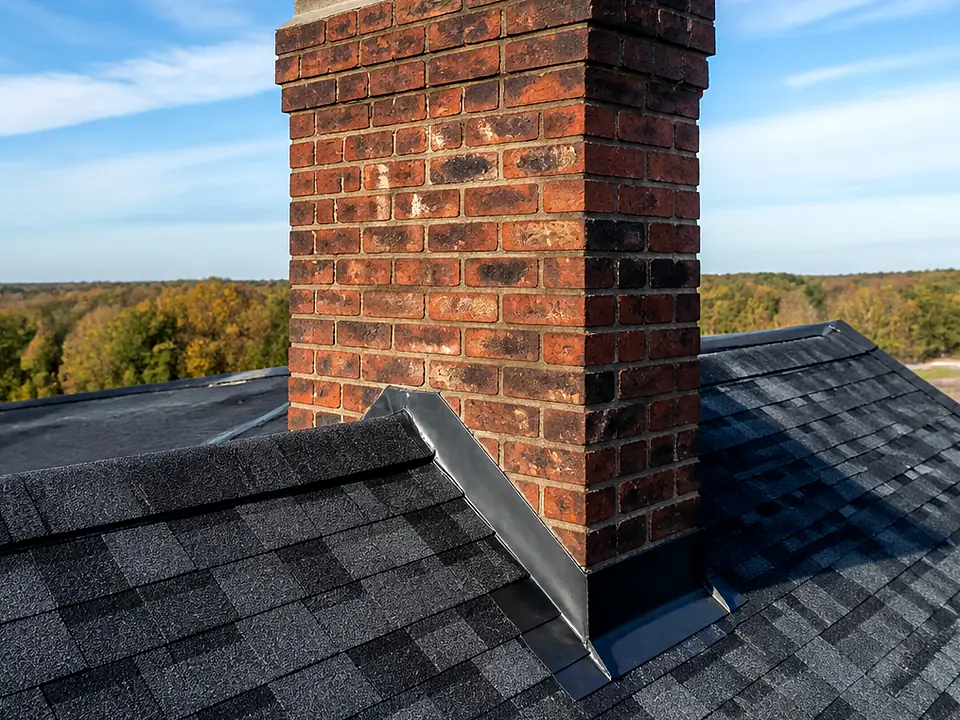
Chimney Services in Novato, CA From a Safety-First Local Team
Chimney Services Pro provides chimney services in Novato, CA with one priority ahead of everything else: a fireplace or stove that is safe to light. As a Novato chimney company, we sweep, inspect and repair the systems found in North Marin homes, from the brick chimneys on the side streets around Old Town to the factory-built fireplaces tucked into hillside houses in San Marin and Pacheco Valle. We are a maintenance-minded crew rather than a sales operation, so most visits start with a cleaning and a careful look, not a pitch.
Novato's housing tells you a lot about what we find. The city grew quickly after World War II with tract homes built before it incorporated in 1960, and subdivisions kept going up through the 1970s and 1980s. That means a large share of local fireplaces are prefabricated metal units in wood-framed chases. Older construction survives around Grant Avenue and at Hamilton, where the former air base's 1930s Spanish Colonial Revival buildings now sit inside a historic district alongside much newer homes. Out on bigger lots in Indian Valley and along the edges of town, wood stoves do real heating work every winter.
Whatever you have, the goal is the same: a clean flue, a sound structure and a clear written explanation of anything that needs attention. If it has been more than a year, start with a professional chimney sweep and cleaning; the camera check that comes with it tells us whether anything else deserves a closer look.
Prefab Metal Fireplaces in 1960s-80s Novato Homes
Walk through almost any Novato neighborhood built between the 1960s and the 1980s and you will find factory-built fireplaces: a steel firebox lined with refractory panels, connected to a metal chimney pipe that runs up through a framed chase and ends under a sheet-metal chase cover. These systems are tested and listed as complete assemblies, which is why the details matter. Parts that look interchangeable often are not, and a pipe section or cap from a different manufacturer can void the listing and change the clearances that keep nearby framing cool.
The problems we see most often in local prefab units are predictable:
- Cracked or crumbling refractory panels that expose the steel firebox to direct flame.
- Rusted chase covers that pond water after winter storms and send it down the outside of the chimney pipe.
- Separated or warped pipe joints from years of hot fires, usually visible only with a camera.
- Missing or damaged caps and spark screens, which matter a great deal near open space.
- Sticking dampers and loose glass doors that no longer seal or operate smoothly.
Many of these units are now forty to sixty years old, and some models are long discontinued. When a firebox is still serviceable, our fireplace repair work relies on listed replacement parts and correct clearances. When it is worn out, the practical path is often an EPA-certified wood or gas unit specifically listed for installation in a factory-built fireplace, or a full replacement. We will tell you which parts are worth saving before you spend money on any of them.
Wood Stoves on Ranch Properties and Larger Lots
West and north of the city center, Novato still has a rural edge. Indian Valley keeps larger lots and an agricultural feel, ranch properties stretch out Novato Boulevard toward Stafford Lake, and many homes near Mount Burdell and in Green Point have room for a serious woodpile. On these properties a wood stove is often the main heat source on cold nights, not a weekend amenity, and a stove that runs daily builds creosote much faster than an occasional living room fire.
Stove chimneys need a different kind of attention than open fireplaces. We check the connector pipe for sagging, corrosion and proper slope, verify clearances to combustibles, confirm the flue size suits the stove, and look closely at the cap, where creosote and fly ash tend to collect first in a cooler-burning stove. Catalytic stoves also get a look at the combustor and bypass. The biggest single factor, though, is fuel. Oak cut on the property makes excellent firewood once it has dried, but green wood burns cool and wet, which is exactly how hard, glazed creosote forms. The EPA's Burn Wise program recommends wood with a moisture content of 20 percent or less, and an inexpensive moisture meter settles the question quickly.
If your stove is older and not EPA-certified, keep in mind that Marin County's wood smoke rules allow only certified wood-burning appliances to be installed in unincorporated areas, and a permitted remodel can require removal of an older unit. We can help you plan around those rules when a replacement is on the horizon.
Ember Risk, Spark Arrestors and Novato's Open Space
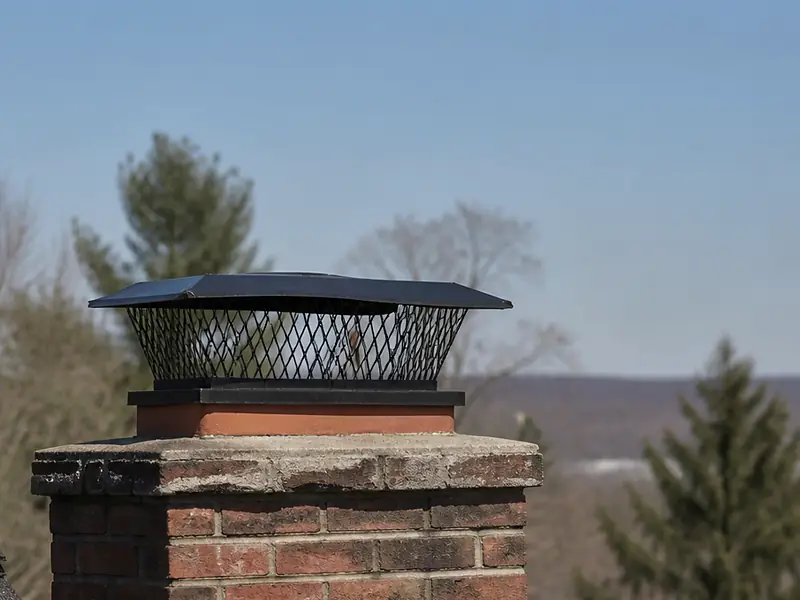
Novato is ringed by open space. The city includes ten Marin County Open Space District preserves, among them Mount Burdell, Rush Creek, Indian Valley, Ignacio Valley, Loma Verde and Pacheco Valle, and many streets back directly onto summer-dry grass and oak woodland. That landscape shapes how we think about chimney tops. A chimney is the one opening on the roof designed to carry fire, and a missing or corroded screen can let embers land on the roof or in a leaf-filled gutter, or let wind-driven embers from a nearby fire in.
In wildfire-prone parts of California, a spark arrestor on any chimney serving a wood-burning fireplace or stove is standard practice, and code-compliant mesh has openings no larger than one-half inch and no smaller than three-eighths of an inch. Screens that are too fine clog with soot and choke the draft; screens that are too open do little. Neighborhoods here take the issue seriously: Black Point and Green Point are one of dozens of recognized Firewise sites in Marin, and many hillside streets in Novato sit right against fire roads.
We install stainless steel chimney caps and spark arrestors sized to your flue, check existing screens during every sweep, and point out branches that hang too close to the chimney outlet. On prefab chimneys we use the termination cap listed for that system rather than a generic screen.
Seismic Safety for Masonry Chimneys in North Marin
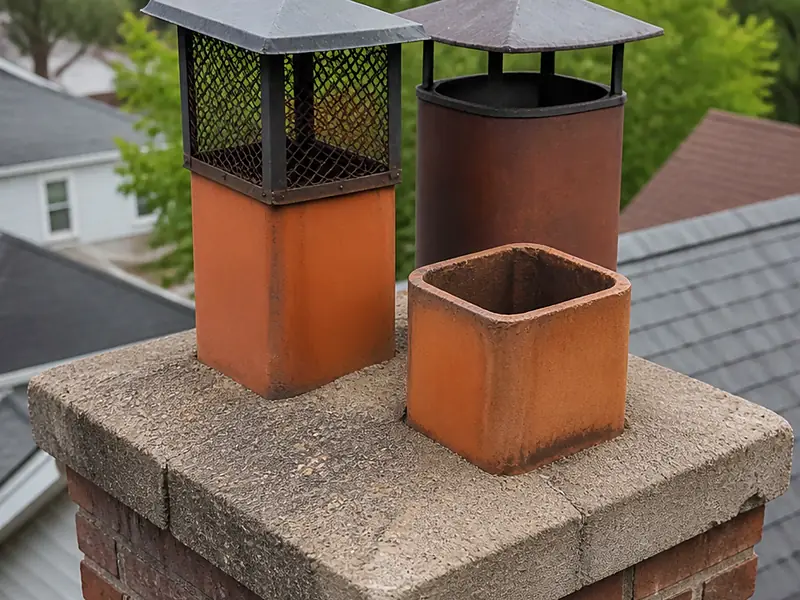
Masonry chimneys are the part of a house most likely to fail in an earthquake. An unreinforced brick stack is heavy, tall and loosely tied to the frame, and when the ground shakes it tends to crack at the roofline or pull away from the wall. North Marin sits between two major fault systems, with the San Andreas running through West Marin and the Rodgers Creek Fault running north of San Pablo Bay toward Santa Rosa, so seismic readiness is a practical concern here rather than an abstract one.
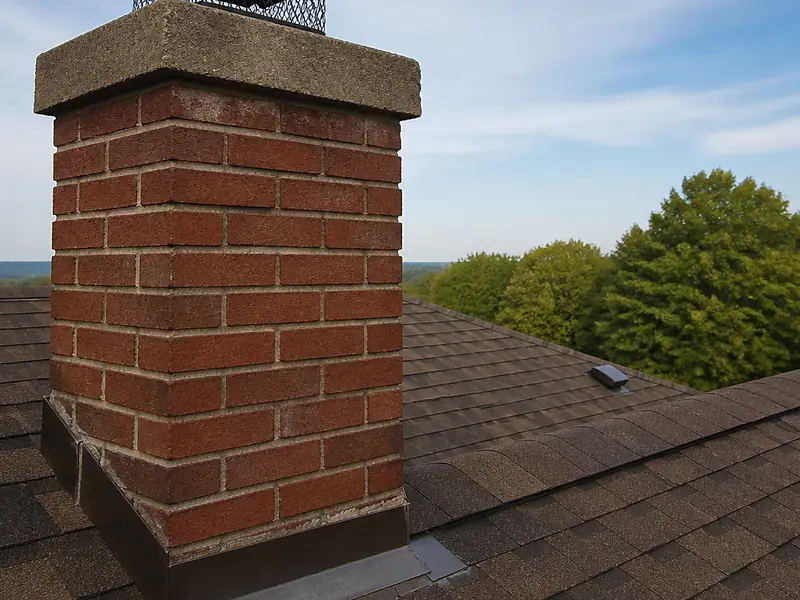
In Novato, older brick chimneys are concentrated in and around Old Town, which grew up along Grant Avenue after the railroad arrived in 1879, and on the farmhouses and ranch homes that predate the postwar subdivisions. Signs worth a call include a chimney that has separated from the siding, stair-step cracks in the mortar joints, a stack that leans, or brick and mortar crumbs showing up in the firebox or on the roof.
After any noticeable quake, have the chimney checked before the next fire; NFPA 211 calls for a more detailed Level 2 inspection after a seismic event. Our earthquake and seismic chimney repair options range from repointing and a new crown to rebuilding the upper stack with reinforcement, or replacing it above the roofline with a lighter listed chimney system.
Wet, Windy Winters and Winter Spare the Air Days
Novato averages roughly 25 inches of rain a year, most of it arriving in winter storms that blow in hard off the Pacific and across San Pablo Bay. That pattern is tough on chimneys. Wind drives rain sideways into porous brick and into the seams of metal chase covers, cracked crowns let water soak into the stack, and worn flashing lets it run into the attic or down the inside of a wall. Low-lying east Novato, much of it former marshland, adds humidity that keeps damp masonry from drying out between storms. Ceiling stains near the chimney, a musty smell from the fireplace in wet weather, or white efflorescence on the brick are the usual clues, and our chimney leak repair and waterproofing service traces the entry point before recommending a fix.
Winter also brings air-quality rules. Novato and the rest of Marin County fall within the Bay Area Air Quality Management District, as do Petaluma, Penngrove and Cotati in southern Sonoma County. From November 1 through the end of February, whenever the Air District calls a Winter Spare the Air alert, burning wood, manufactured fire logs or any other solid fuel indoors or outdoors is prohibited for 24 hours. Narrow exemptions exist for homes where wood is the only source of heat. Checking the Air District's alerts before you light a fire is part of normal fireplace ownership here, and a clean, well-drafting flue keeps smoke down on the days burning is allowed.
What to Expect From a Visit, and When to Book
Every appointment follows the same routine. We protect the hearth and floor with drop cloths, run a HEPA vacuum so soot stays out of the house, sweep the flue with brushes sized to it, and send a camera up the chimney to look at liner joints, tiles and seams you cannot see from the firebox. Before we leave, you get a written summary with photos and, if anything needs repair, a written estimate. Nothing is done beyond what you approve.
Timing matters more than most people expect. Calls in Novato spike after the first cold snap and again when the first Spare the Air alert of the season reminds everyone their fireplace exists, so late summer and early fall are the easiest weeks to get the date you want. If something is urgent, such as smoke backing into the room or a cracked firebox discovered mid-season, ask about priority or same-day scheduling when it is available. While we are on site, it is also a good time to have the dryer vent cleaned, since the long vent runs in two-story Novato homes are a common lint trap.