Dryer Vent Cleaning for North Marin Households
Dryer vent cleaning in Novato is a safety job first and an energy job second. According to the U.S. Fire Administration, an estimated 2,900 clothes dryer fires in homes are reported to fire departments each year, and failure to clean is the leading factor contributing to them. Lint is the usual fuel: it slips past the dryer's screen, builds up in the duct and eventually restricts airflow enough for heat to build inside the machine.
Warning signs that your vent needs attention include:
- Loads that take more than one cycle to dry.
- A laundry room that gets unusually hot or humid.
- A dryer that is hot to the touch on top.
- A burning smell during a cycle.
- A vent hood flap outside that barely opens, or lint collecting around it.
Because we already work on roofs and exhaust systems every day, Chimney Services Pro handles dryer vents with the same tools and care we bring to chimneys.
Where Lint Collects in Novato Homes
Novato's housing stock creates a few typical dryer vent layouts, each with its own trouble spots.
Ranch homes with garage laundry
Many single-story homes in San Marin, Ignacio and similar neighborhoods have the dryer in the garage or a small laundry room on an exterior wall. The duct run is short, but the transition hose behind the dryer is often crushed when the machine is pushed back, and older homes may still have a vinyl or foil hose that should be replaced.
Interior and upstairs laundry rooms
Two-story and newer homes, including many in Hamilton, often place the laundry in the middle of the house, with ducts running through walls, floors or attics to a side wall or the roof. Long runs and several elbows slow the airflow, so lint settles more quickly.
Roof terminations
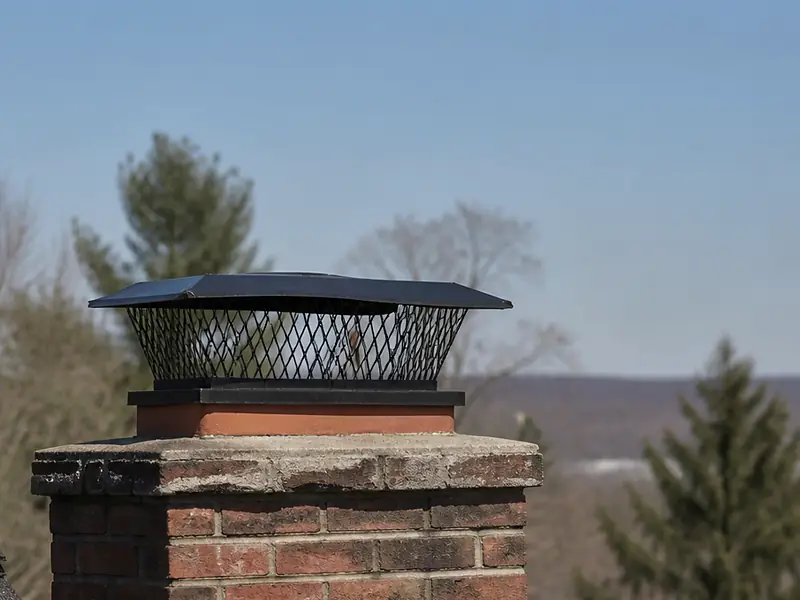
Roof caps are easy to forget. Lint packs into them, and birds treat them as nesting spots. We clear them from the roof, which most homeowners cannot safely do themselves.
Our Dryer Vent Cleaning Process
- Airflow check. We measure airflow at the exterior termination with the dryer running, giving a baseline.
- Disconnect and inspect. The dryer is pulled out and the transition hose inspected for crushing, tears or non-approved material.
- Full-length cleaning. Rotary brushes run through the entire duct while a vacuum collects the lint, working from inside, outside or the roof as needed.
- Termination service. The exterior hood or roof cap is cleaned, and the back-draft damper checked so it opens freely and closes against wind and pests.
- Reconnect and retest. The dryer is reconnected with an approved metal transition connector if needed, and airflow is measured again to confirm the improvement.
Most homes take about an hour. Long attic runs or roof terminations take longer. If a duct is disconnected in the attic or badly damaged, we show you photos and give you a written estimate for the repair.
Code Basics: Length, Material and Termination
California follows the California Mechanical Code for dryer exhaust, and many older installations around North Marin predate or ignore it. Key points:
- Domestic dryer exhaust ducts are limited to a total length of 14 feet including two 90-degree elbows, with 2 feet deducted for each additional elbow, unless the dryer manufacturer's instructions allow a longer run and the building official approves it.
- Ducts must be metal with a smooth interior, typically 4 inches in diameter.
- Flexible transition connectors must be an approved type and no longer than 6 feet.
- The duct must terminate outdoors with a back-draft damper, and screens are not allowed at the termination because they trap lint.
We do not rebuild ducts without your approval, but we note anything that is out of line with the code, such as screened hoods, plastic hoses or runs vented into an attic or crawlspace, so you can decide how to address it.
How Often to Clean and Tips Between Visits
For most Novato households, once a year is a sensible schedule. Larger families, homes with long duct runs and households that dry heavy items such as towels and bedding often benefit from more frequent cleaning. Many customers pair a dryer vent visit with their fall chimney sweep so both exhaust systems are ready for the wet season, when more laundry goes in the dryer instead of on the line.
Between cleanings:
- Clean the lint screen before or after every load, and wash it occasionally if dryer sheets leave a film.
- Avoid running the dryer when no one is home or overnight.
- Check the exterior hood a few times a year for lint, nests or a stuck flap.
- Leave space behind the dryer so the transition hose is not crushed.
We clean dryer vents throughout our North Marin and southern Sonoma service area, including homes in Penngrove and Petaluma.