When a Novato Chimney Needs Liner Installation
Chimney liner installation in Novato usually follows one of four discoveries. The first is cracked or shifted clay flue tiles, often traced to seismic movement or a past chimney fire. The second is an older brick chimney with no liner at all or with mortar joints that have eroded between the tiles. The third is a change of appliance: adding a wood stove, a pellet unit or a gas conversion almost always requires a liner sized for that appliance. The fourth is poor draft, where a flue is far too large for what is burning in it, so smoke cools, drafts weakly and deposits creosote quickly.
A sound liner does three jobs. It keeps heat away from the wood framing around the chimney, keeps corrosive combustion byproducts from eating into brick and mortar, and gives the appliance a correctly sized path to vent. A cracked liner fails at all three, which is why NFPA 211 treats liner damage as a do-not-use condition until it is repaired.
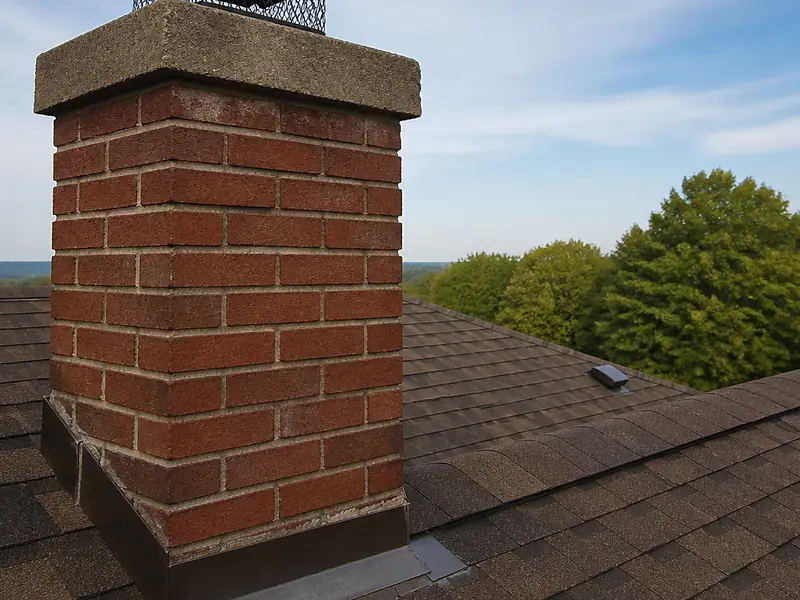
Liner Options: Stainless, Insulated and Listed Systems
Most relining work we do uses stainless steel liners tested and listed to UL 1777, the standard for chimney liners. Within that category the choices depend on the appliance and the chimney:
- Flexible stainless liners snake through flues with offsets, common in older fireplaces where the flue does not run straight up.
- Rigid stainless liners suit straight flues and give a very smooth interior for easy sweeping.
- Insulated liners use a wrap or poured insulation to keep flue gases hot and to achieve the clearances a chimney near framing needs.
- Gas-rated liners are sized for the lower-temperature, moisture-heavy exhaust of gas appliances.
The liner diameter is matched to the appliance manufacturer's venting requirements, not simply to what fits in the flue. Oversizing a liner for a modern stove is a common mistake that leads to weak draft and heavy creosote.
Relining Factory-Built Chimneys in Prefab-Heavy Neighborhoods
North Marin has a large share of factory-built fireplaces, so we are often asked whether a prefab chimney can be relined. The answer requires care. A factory-built chimney is listed as part of a system with its fireplace, usually under UL 127, and generally should not be modified. Relining one is appropriate only with a relining system specifically listed for factory-built chimneys, and only when the fireplace's own listing and manual allow the change.
The most common reason to reline a prefab chimney is adding an approved wood-burning or gas unit to the fireplace. For wood, that typically means a full-height liner rated for high temperatures from the new unit to the top of the chimney. If the fireplace is not approved for this, we will say so and explain alternatives, such as a new listed fireplace or a freestanding stove with its own chimney. Our fireplace inserts page explains how we check compatibility.
Our Relining Process, Step by Step
- Video scan and measurements. We scan the full flue, measure its size and offsets, and confirm the appliance's venting requirements.
- Written scope. You receive photos and a written estimate listing the liner type, diameter, insulation and cap.
- Preparation. The flue is swept, loose debris removed and, where needed, obstructions such as a damaged damper are cleared.
- Installation. The liner is lowered from the roof, connected to the appliance or a sealed fireplace connection, and secured with a top plate.
- Termination. A cap with spark arrestor screening is installed, an important detail near open space.
- Final check. We run a draft test, scan the finished liner and walk you through use and maintenance.
Most single-flue relines take a day. Chimneys with tight offsets, tall two-story runs or insulation pours can take longer.
Wood Stoves, Gas Conversions and Air District Rules
Relining often comes up when North Marin homeowners rethink how they heat. Wood stoves remain common on ranch and rural properties from Indian Valley to Nicasio, and a correctly sized liner is what lets a modern EPA-certified stove burn cleanly and draft reliably. Remember that during Winter Spare the Air alerts, from November through February, the Bay Area Air District prohibits burning any solid fuel, certified or not, unless the home qualifies for the narrow registered sole-source-of-heat exemption.
That rule pushes many households toward gas, which the alerts do not restrict. A gas conversion still needs a properly sized, gas-rated liner or a direct-vent system; venting gas exhaust through an oversized, unlined masonry flue invites condensation damage and poor draft. Chimney Services Pro can scope the liner as part of the conversion, and our Level 2 chimney inspection documents the flue before and after the change.