Short answer
Lint that slips past the filter builds up in elbows, sagging duct and the outside hood, so the dryer runs hotter with more fuel close to the heat. Failure to clean is the leading factor in home dryer fires, and they peak in January, when Novato's wet season moves laundry into the dryer. Have the vent cleaned once a year, ideally in early fall, and replace foil or plastic duct with rigid or semi-rigid metal.
Why dryer fires rise in the wet season
The U.S. Fire Administration estimates that 2,900 clothes dryer fires in residential buildings are reported to fire departments each year, based on its analysis of 2008 to 2010 data, and that failure to clean was the leading factor behind them, at 34 percent. Its newer figures for 2018 to 2020 still put failure to clean first, at 31 percent of dryer fires in homes. Lint is the most common fuel: dust, fiber and lint were the leading items first ignited, at 28 percent, just ahead of clothing.
The same USFA report found that dryer fires climb through fall and winter and peak in January, and it offers one likely reason: people are less likely to dry clothes outdoors in the cooler months. That pattern fits Novato's climate closely. If a clothesline does part of the work through the long dry summer, the wet season moves those loads into the dryer, along with heavy towels, jackets and bedding. A vent that kept up in August can be badly restricted by January, which makes early fall the sensible time to have it cleared. The USFA appliance fire safety page keeps its current figures.
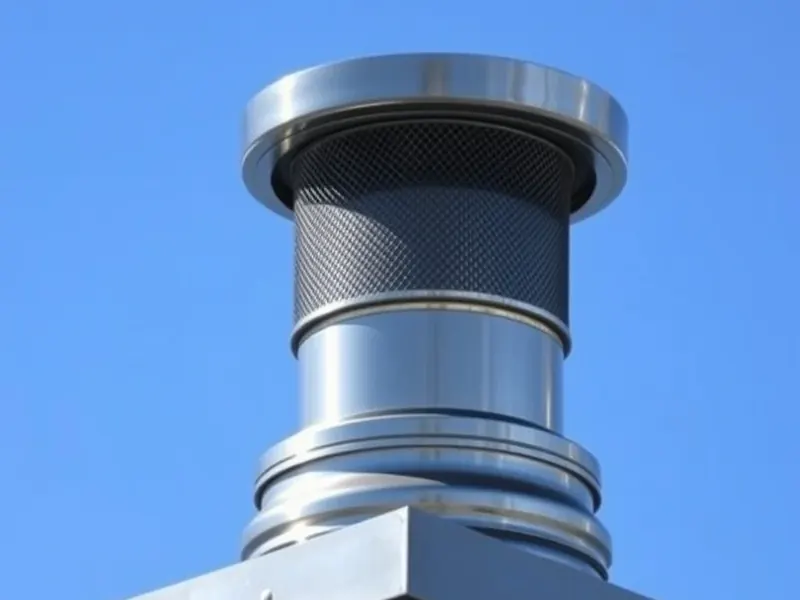
How lint builds up inside a dryer duct
A dryer moves a lot of warm, wet air. USFA notes that a full load of wet clothes can hold as much as one and a half gallons of water, and most of it leaves through the vent as vapor, carrying the fibers that slip past the lint filter. Those fibers settle wherever the air slows down:
- At elbows and at the base of long vertical rises, where the air changes direction.
- In the ridges of corrugated foil or plastic hose, and in any section that sags between supports.
- On screw tips that poke into the duct and comb lint out of the airstream.
- Behind the flap of the outside hood or under a roof cap, where the air finally leaves the house.
Cold makes it worse. Where a duct crosses an unheated attic, a crawl space or an outside wall, the moist exhaust can cool and condense on a chilly winter day, and damp lint mats into a layer that the next load cannot blow clear. As the passage narrows, each load takes longer, the dryer runs hotter, and more lint collects close to the heat. Animals add their own blockage; the USFA report lists nests of small birds and other animals among the causes of blocked dryer exhaust vents.
Warning signs of a restricted dryer vent
The Consumer Product Safety Commission points to the simplest sign first: clothes that are still damp at the end of a normal cycle, or loads that take longer to dry than they used to. A few more are easy to check yourself:
- Step outside while the dryer runs. The hood flap should swing open and a strong stream of warm air should come out. A weak puff, or a flap that stays shut, points to a blockage.
- Look for lint caught around the outside hood, or on the wall and plants below it.
- Notice whether the laundry area turns warm and humid, or the top and sides of the dryer feel hotter than usual.
- Check the hose behind the dryer for kinks, crushed sections or a joint that has pulled apart.
- Take any burning smell seriously. Turn the dryer off and leave it off until the vent and the machine have been checked.
If you see smoke or flames, get everyone out and call 911 from outside. With a gas dryer, the vent also carries combustion gases, including carbon monoxide, so a blocked or disconnected duct is a carbon monoxide hazard as well as a fire risk. Working carbon monoxide alarms outside each sleeping area and on every level of the home matter in any home with a gas dryer.
Duct length and material: rigid metal versus foil and plastic
The California Mechanical Code governs dryer exhaust in Novato homes, and its 2025 edition is specific:
- The duct must be rigid metal with a smooth interior and a nominal diameter of at least 4 inches, with the male end of each joint pointing in the direction of airflow and no fasteners that reach into the airstream.
- A household dryer duct is limited to 14 feet of combined horizontal and vertical length, including two 90-degree elbows, with 2 feet deducted for each additional elbow, unless the dryer manufacturer's instructions permit more and the building official approves it, or a listed dryer exhaust booster fan is installed under its manufacturer's instructions.
- The flexible connector between the dryer and the wall must be a listed transition duct no more than 6 feet long, and it may not be concealed inside walls, floors or ceilings.
In practice, a dryer in a garage or against an outside wall of a single-story ranch house usually has a short run that fits those limits easily. A laundry closet in the middle of the house, or upstairs in a two-story home, often needs a long run through the attic or a wall cavity to reach a roof or side-wall outlet, and every extra elbow eats into the allowance. A long run is not automatically wrong, but it clogs sooner and needs cleaning more often.
Material matters as much as length. The CPSC recommends replacing plastic or foil accordion-type ducting with rigid or corrugated semi-rigid metal duct, because flexible plastic and foil trap lint more easily and are more likely to kink or crush, which can sharply cut airflow. If the hose behind your dryer is white vinyl, or thin foil that dents under a fingertip, it is the first thing to replace, and a dryer vent cleaning visit can include swapping it for an approved metal connector once you agree to it.
Roof and wall exits on Novato houses
Every dryer duct has to end outdoors. The mechanical code does not allow it to stop in an attic, a crawl space or another concealed space, requires a backdraft damper at the outlet, and prohibits screens at the termination, because a screen catches lint and clogs fast. Older installations sometimes miss those rules: a duct that came apart during a remodel and now blows into the attic, a louvered vent fitted with a bug screen, or a hose simply pushed through a crawl space opening.
Wall exits are the easiest to reach and to keep an eye on. Keep shrubs, firewood and stored items clear of the hood so the flap can open and the exhaust can disperse, and check it after windy weeks for leaves and nesting material. Roof exits are common where the laundry sits in the middle of the house, and on two-story and hillside homes they can be steep, high and out of sight. Lint packs under the cap, the damper sticks shut, and nobody notices because nobody looks. A cap made for dryer exhaust has a hinged damper and an open outlet; a generic roof vent with louvers or mesh is the wrong fitting.
One local caution: if you are hardening the house against wildfire embers by adding fine metal mesh to vents, leave the dryer hood out of that project, since it is the one opening the mechanical code keeps free of screens. The chimney side of ember protection is covered in the Novato fire-season spark arrestor guide.
What a full dryer vent cleaning should include
Pushing a brush a few feet into the wall from outside is not a full cleaning. A thorough visit booked through Chimney Services Pro follows the duct from the dryer to the outlet:
- Trace the route. The technician confirms where the duct runs and where it ends, which in a remodeled house is not always where the homeowner expects.
- Check the connection. The dryer comes away from the wall, and the transition duct is checked for crushing, tears and approved material.
- Clean the whole length. Rotary brushes work through the duct from one or both ends, including elbows and vertical rises, while a vacuum captures the loosened lint.
- Clear the outlet. The wall hood or roof cap is cleaned, nesting material removed, and the damper flap tested so it swings open with the airflow and falls shut afterward.
- Confirm the airflow. With the dryer reconnected and running, the airflow at the outlet is checked again.
- Report what was found. Disconnected joints, crushed sections, foil or plastic duct, screened hoods and runs that end indoors are photographed and noted, with a written estimate before any repair.
Lint inside the dryer cabinet is a separate job. The CPSC recommends having a qualified service person clean the interior of the dryer periodically, and NFPA advises having a gas dryer inspected by a qualified professional to make sure the gas line and connection are intact and free of leaks.
Habits that keep lint down between cleanings
NFPA's dryer safety guidance calls for cleaning lint out of the vent pipe once a year, or sooner if drying times start to stretch. That is easy to line up with fall chimney care, booking a chimney sweep and the vent cleaning before the wet season. Between visits:
- Empty the lint filter with every load, and never run the dryer without it.
- Vacuum behind and under the machine, where lint drifts and gathers.
- Turn the dryer off when you leave the house or go to bed.
- Keep boxes, cleaning products and piles of clothes away from it.
- Treat clothes soiled with gasoline, cooking or finishing oils, stains or cleaning agents with care. The CPSC advises washing them more than once and, preferably, hanging them to dry.
- Glance at the outside hood with the dryer running every few months.
Households that dry a lot of towels and bedding, run several loads a day, or have a long or roof-mounted duct may need the vent cleared more than once a year.