Chimney Sweep and Repair in Lagunitas-Forest Knolls
Lagunitas and Forest Knolls are neighboring unincorporated communities in the San Geronimo Valley, strung along Sir Francis Drake Boulevard west of Woodacre and San Geronimo. The Census Bureau counts them together as Lagunitas-Forest Knolls, home to 1,924 people in 2020. Chimney sweep and repair in Lagunitas-Forest Knolls, CA is shaped by how the valley heats its houses. Most homes here are detached houses, and Census survey estimates date roughly three in ten homes in the community to before 1940.
Heating is what sets the valley apart. The same estimates show propane as the most common heating fuel and wood as the main source of heat in about one home in eight, while fewer than one in ten homes use piped natural gas. Survey margins are wide in a community this small, but the pattern is plain: chimneys and stovepipes here carry real heating loads, and a stove that heats the house can run for months at a stretch.
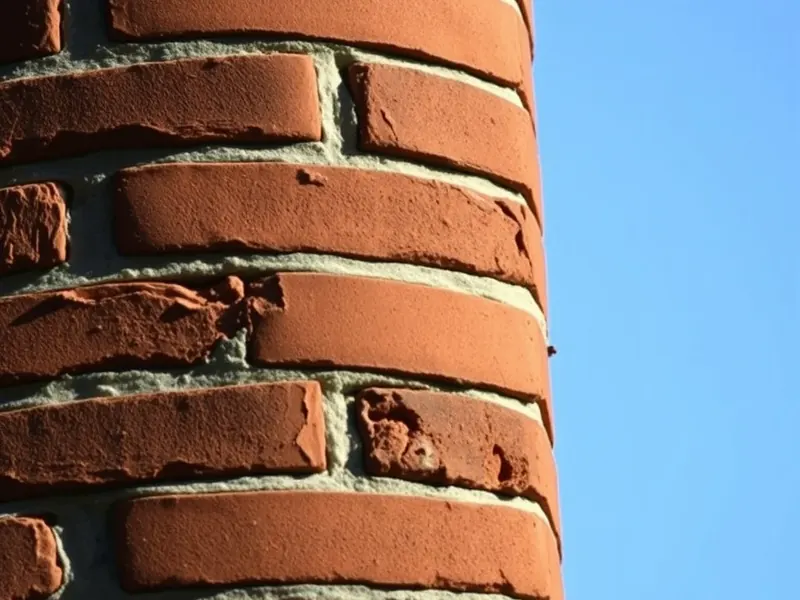
Wood Stoves, Propane Heat and Spare the Air Days
Creosote builds fastest in a stove that is loaded full, turned down for a long overnight burn and fed wood that is still wet inside. The Bay Area Air District defines seasoned firewood as wood at 20 percent moisture or less, a good target for anyone splitting and stacking their own. A chimney sweep before the heating season clears the flue, the connector pipe and the cap screen, and a stove that carries the house through cold spells deserves a second look in mid-winter.
All of Marin County lies inside the Bay Area Air District, so its wood-burning rule applies in the valley just as it does in Novato. When the District calls a Spare the Air alert because fine-particle (PM2.5) pollution is forecast to exceed the rule's limit, burning wood, pellets or manufactured logs in any fireplace, stove or insert is illegal for that day. An alert can come in any month, though most fall between November and February, and the lower alert threshold the District adopted on October 1, 2025 is expected to bring more of them. The exemption for homes heated only by wood is narrow. It covers a registered EPA-certified or pellet-fueled stove in a house with no permanently installed natural gas, propane or electric heater, so a propane furnace or wall heater rules it out, and an open fireplace never qualifies. Two short exemptions apply only when the house has no other form of heat: while gas or electric service is temporarily out, after a winter storm for example, and for up to 30 days while the only installed heater is broken and waiting for repair.
Older Chimneys, Liners and Stove Upgrades
A chimney built before 1940 may have served several different stoves over the decades, and the flue is not always updated along with them. Running a camera up the flue answers the key questions: is there a liner at all, have clay tiles cracked or slipped, and do the connector, clearances and flue size suit the stove in use today? When the flue fails that test, a stainless steel liner listed to UL 1777 and matched to the stove's outlet gives the smoke a continuous path again and makes every later sweep easier; chimney liner installation describes the work.
Replacing a stove or rebuilding a firebox brings the Air District rule back into play. A new home cannot include any wood-burning device, and a fireplace or chimney remodel that crosses the rule's cost threshold and requires a building permit has to finish with an appliance that is gas, electric or EPA-certified. An EPA-certified fireplace insert or freestanding stove burns cleaner, and only an EPA-certified or pellet-fueled device can be registered for the sole-source-of-heat exemption. After a strong earthquake, NFPA 211 calls for a Level II inspection, with a camera, before the next fire.
Redwoods, Embers and Planning a Visit
Just past Shafter Bridge, about half a mile west of the Lagunitas store, the Leo T. Cronin Fish Viewing Area looks out on Lagunitas Creek under a canopy of redwoods, and December is usually the best month to see coho there. Lagunitas Creek, whose two large tributaries are Olema Creek and San Geronimo Creek, holds what NOAA Fisheries calls the largest persistent population of Central California Coast coho south of the Noyo River. Tall trees like these drop needles on roofs and grow toward chimneys. In the state responsibility area and in very high fire hazard severity zones, California law calls for cutting back any tree limb that reaches within 10 feet of a chimney or stovepipe outlet and for a roof kept clear of leaves and needles, and the local fire authority can confirm which rules apply to a parcel.
Where the state's 2025 Wildland-Urban Interface Code is in force, its spark arrestor section asks for a screen of 12-gauge woven or welded wire, no opening wider than half an inch, on chimneys that serve fireplaces and certain other appliances burning solid or liquid fuel. The same code keeps firewood piles 30 feet or more from the house unless they are completely covered with fire-resistant material. A screen clogged with soot also chokes a stove's draft, so it is cleaned along with the flue; chimney caps and spark arrestors covers fitting and replacement. Chimney Services Pro serves the valley from Novato, and listing every stove, cabin and studio flue on the property when you book lets one visit cover them all.