Chimney Sweep and Repair Around the Sonoma Plaza
Chimney sweep and repair in Sonoma, CA starts at the eight-acre Sonoma Plaza, the largest plaza of its kind in California, designated a National Historic Landmark in 1960. Around it stand the adobe chapel of Mission San Francisco Solano, the two-story adobe Sonoma Barracks, and a City Hall dedicated in 1908 and built of basalt from local quarries. The neighborhoods north and east of the square hold many historic structures, and the city's development code describes the Central-East area, between East Napa and East MacArthur streets, as including some of the oldest residential areas in the community.
Chimneys on older houses like these are typically brick laid in soft lime mortar, with a flue that was either never lined or lined with clay tiles that have cracked over the decades. If the fireplace has sat unused for years, a camera look up the flue matters more than the sweep itself. Open tile joints, missing mortar and soot stains on the outside of the flue all show where heat and smoke can escape. When the flue is damaged, a UL 1777 listed stainless steel chimney liner restores a sound flue without touching the brick that people see from the street.
Earthquakes and Unreinforced Brick Chimneys
Two active faults shape the earthquake picture in Sonoma. The Rodgers Creek Fault, part of the Hayward fault system, runs from the southern tip of Sonoma County past the Sonoma Valley to Santa Rosa, and the West Napa Fault in the neighboring Napa Valley produced the magnitude 6.0 South Napa earthquake on August 24, 2014. The USGS reported lighter shaking and little damage in Sonoma that morning, but FEMA assessment teams documented more than 100 damaged brick chimneys after the quake.
The FEMA recovery advisory written after that quake is worth knowing before any chimney repair in Sonoma. A damaged chimney rebuilt to match its old condition remains vulnerable in the next earthquake, and bringing an old unreinforced chimney up to modern seismic performance is generally not practical. The options it lays out run from capping the chimney at the roofline to rebuilding above the firebox with light framing and a metal flue or a fireplace insert, and it asks owners of historic homes to talk to the building department first. The seismic chimney repair page walks through those choices, and the FEMA South Napa earthquake guidance covers them in technical detail.
Air District Burn Bans and Sonoma's Own Fireplace Code
The City of Sonoma is inside the Bay Area Air Quality Management District, which reaches into southern Sonoma County and covers the whole Sonoma Valley. Winter Spare the Air alerts run from November 1 through February and ban burning wood, manufactured logs and pellets for 24 hours, and as of November 2019 the Air District can call a wood-burning ban at any time of year when particle pollution is forecast to be unhealthy. Its rules also keep wood-burning devices out of new home construction, and a substantial fireplace or chimney remodel that needs a building permit must end with a gas, electric or EPA-certified unit.
Sonoma adds a rule of its own. The wood-burning chapter of the municipal code allows a wood-burning appliance to be installed, replaced or reconstructed only if it is a cleaner type, such as a pellet stove or an EPA-certified wood heater, and it counts rebuilding more than 25 percent of a firebox as reconstruction. That makes the scope of a firebox repair worth settling in writing before work starts. When an open fireplace is near the end of its life, an EPA-certified fireplace insert, wood or gas, is often the cleanest path, and gas units are not affected by burn bans.
Wildfire Season, Valley Weather and Newer Homes
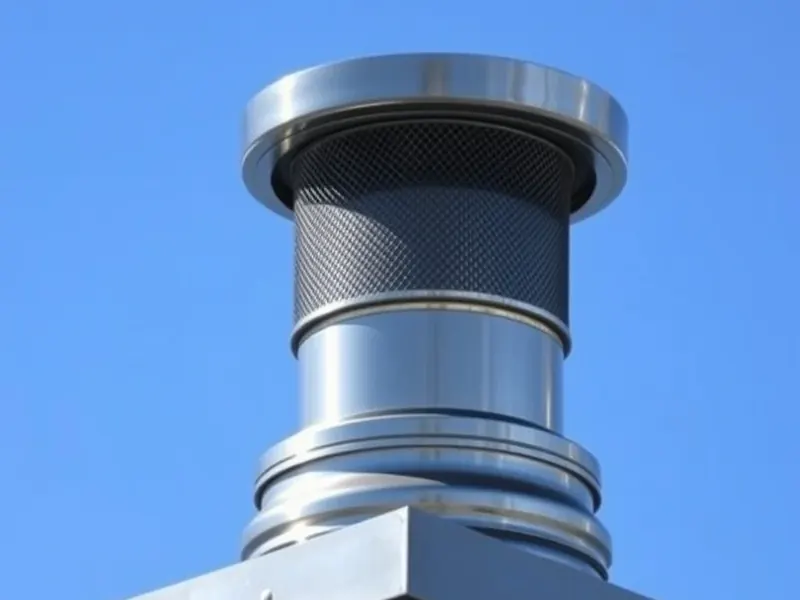
The city escaped direct damage in October 2017, but the Nuns Fire burned more than 56,000 acres and destroyed over 400 Sonoma Valley homes in the hills above town, along the valley's eastern edge and in Glen Ellen and Kenwood. The hillsides that frame Sonoma, Schocken Hill on the north side of town among them, dry out every summer, when July afternoons average in the mid-80s. A cap with an intact spark arrestor, a roof and gutters free of leaves around the chimney, and branches trimmed well back from the outlet keep a fireplace from adding to that risk. Winters are mild, with January nights in the high 30s and close to 30 inches of rain in an average year, enough to soak a cracked crown or loose flashing.
Most of the city's housing is newer than the Plaza suggests. The city's housing element counts about two-thirds of Sonoma's homes as built before 1990, with the biggest growth in the 1970s and 1980s, plus three mobile home parks. Houses from those decades frequently have factory-built fireplaces with metal chimneys, where cracked refractory panels, rusted chase covers and caps from the wrong manufacturer are common trouble spots. Book an annual chimney inspection with Chimney Services Pro in late summer or early fall, before the first cold nights fill the calendar.