Short answer
In a heavy North Marin storm, wind drives rain sideways into crown cracks, loose caps, failed flashing, porous brick and rusted chase covers that light rain runs past. A long dry summer opens those gaps unnoticed, so the first big storm of the wet season finds them all at once. Water in the firebox points to the top of the chimney, while stains beside it point to flashing, the chase cover or soaked masonry.
Why a chimney leaks when it rains hard but not in a drizzle
A chimney that stays dry through light showers and then leaks when it rains hard is telling you something about the size and position of the gap. Heavy rain arrives in volume and usually with wind behind it, and that wind pushes water sideways into joints, cracks and seams that gentle rain simply runs past. In North Marin the pattern comes with the season. According to NOAA, about 30 to 50 percent of the annual precipitation in the West Coast states falls in just a few atmospheric river events, long plumes of moisture that can deliver hours of heavy rain and strong wind together.
Timing makes it worse. The Bay Area's dry season runs into early fall, so a Novato chimney usually goes months without a drop while the sun bakes its crown, the seals on its cap, the sealant along its flashing and the storm collar on a metal chimney pipe. Small cracks open and nobody notices, because nothing tests them. Then the first strong Pacific storm of the wet season arrives and tests every weak point at once, which is why so many leaks seem to appear overnight in the first big storm of the winter.
The common leak paths, from the top of the chimney down
Crown
The concrete or mortar slab around the flue at the top of a masonry chimney is its roof. Hairline cracks from heat and shrinkage let water into the core of the chimney, where it soaks the brick from inside and often shows up as damp patches well below the top.
Cap and open flue
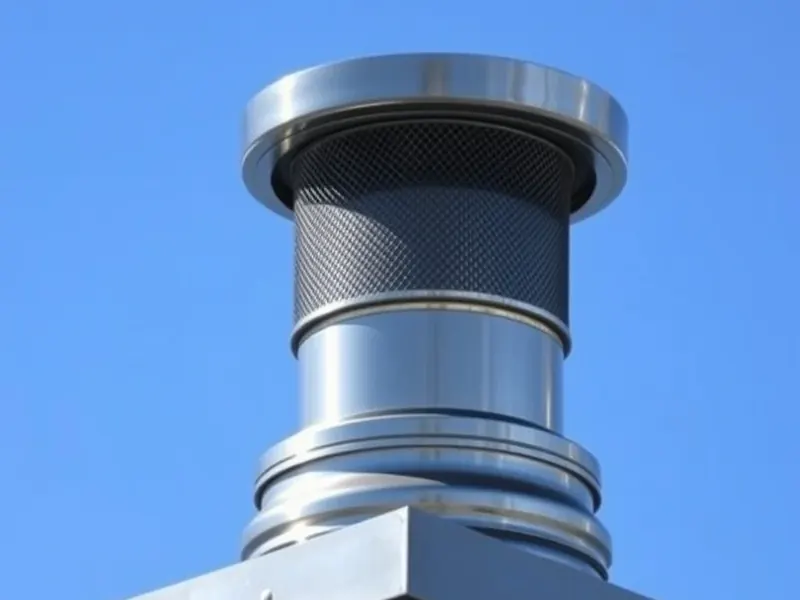
An uncapped flue is an open pipe pointed at the sky. Wind-driven rain also gets past caps with lids that are too small, dented or knocked loose by the previous winter's gusts, and that water lands on the damper and in the firebox.
Flashing
The metal where the chimney passes through the roof is a frequent culprit, especially after a reroof. Step flashing woven into the shingles and counter flashing set into the brick should overlap, and a bead of caulk standing in for counter flashing dries out and pulls away after a hot, dry summer.
Porous brick and mortar
Brick and mortar absorb water. On older chimneys around Old Town and Grant Avenue, eroded joints on the weather side let a long storm soak the masonry until moisture reaches the interior wall. White efflorescence on the brick shows that water has been moving through it.
Chase covers on factory-built chimneys
Many Novato homes have a metal chimney pipe inside a framed chase, topped by a sheet-metal chase cover. A flat or sagging cover holds a puddle, rusts through and drains straight down into the chase, often around the storm collar at the pipe. Open seams in the chase siding are another way in.
Chimney leak or roof leak: how to tell them apart
Water travels along rafters, beams and the outside of a flue before it drips, so the stain is rarely right under the opening. A few clues narrow it down:
- Water in the firebox or on the damper points to the top of the chimney: the cap, the crown or the flue itself. A roof leak almost never reaches the inside of the firebox.
- Stains on the wall or ceiling right beside the chimney suggest flashing, a chase cover or saturated masonry. Stains several feet away along the slope are more often the roof itself, a vent boot or a skylight.
- A leak that only shows up in storms from one direction points to the side of the chimney facing that wind.
- A leak that begins hours into a storm and keeps dripping after the rain stops often means masonry soaking up water and slowly releasing it, while a leak that starts with the first heavy burst usually has a direct opening.
- The attic during or just after rain shows, with a flashlight, whether water is running down the sides of the chimney or along the roof deck.
The Eichler homes in Lucas Valley and Marinwood are a special case: their post-and-beam ceilings leave no attic to look into, and water from a failing chimney seal on a low-slope roof can follow a beam and surface well away from the fireplace. On factory-built chimneys, the inside of the chase tells the story, since rust streaks on the pipe or stained framing point to the chase cover or storm collar.
What to do while the storm is still going
Stay off the roof. Wet shingles, wind and a ladder are a bad combination, and nothing applied to a roof in the middle of an atmospheric river will hold anyway. Inside, a few steps limit the damage and make the eventual repair easier:
- Catch the water with a bucket and towels, and move rugs, furniture and electronics out of the way.
- If water is near light fixtures, outlets or wiring, switch that circuit off at the panel.
- Keep the fireplace or stove out of use. A wet flue, damper or firebox should be checked before it sees heat again.
- Photograph the stain and the dripping with the time, and note how hard it was raining and which way the wind was blowing. That record narrows down the entry point later.
- If a ceiling sags with trapped water, keep everyone out from under it.
Then call. Chimney Services Pro offers priority, same-day scheduling when available for active leaks, and can often arrange a temporary cover once conditions allow, with the permanent repair waiting for dry weather. Homes on the exposed edges of town, such as Bel Marin Keys with open water nearby or the hillside streets facing the ridges, take the most wind and are worth a look after any major storm.
Why fixing a chimney before the rainy season pays off
Most leak repairs need dry conditions to last. Crown repairs and fresh mortar need time to cure before heavy rain reaches them, water repellent has to go onto dry masonry, and flashing work is far better done on a dry roof than between bands of rain. In Novato, the dry months before the first big storm are the working window.
Waiting also lets the water do more harm. Each storm that gets in rusts dampers and steel fireboxes, rots the plywood and framing inside a chase, washes out mortar and can pop the faces off saturated brick. Low-lying neighborhoods near Novato Creek and the bay flats dry out slowly between storms, so masonry there can stay wet for long stretches. The busiest time to ask for help is right after the season's first heavy rain, when many households notice their stains at the same time. Our chimney leak repair page covers the fixes themselves, from chase covers to new flashing, and chimney repair handles cracked crowns and worn masonry.
What a chimney leak inspection checks
Novato has both brick chimneys in its older neighborhoods and factory-built chimneys in its later subdivisions, so a leak inspection starts by identifying which kind you have, then works from the outside in. A technician looks at:
- The cap and lid size, and whether every flue is covered.
- The crown for cracks, missing overhang and gaps around the flue tile.
- Step and counter flashing, the cricket on the uphill side and the roof seal on low-slope roofs.
- Mortar joints and brick faces for erosion, efflorescence and spalling, especially on the weather side.
- On factory-built chimneys, the chase cover's slope, rust and storm collar, plus the siding seams.
- Inside, the damper and firebox for rust, the attic or chase framing for stains, and a camera look up the flue for cracked or shifted tiles.
When the source is still unclear, a controlled water test, wetting one section at a time with a hose while someone watches inside, separates one suspect from another. A chimney inspection ends with photos of the entry point and a written estimate before any work begins. The same cap that keeps rain out also carries the spark arrestor, covered in our Novato fire-season chimney guide.